
Mapping the pipeline
Everyone has an opinion on why new homes take so long to build. Far fewer have actually looked. Academics at the University of Reading and Lyon CPT did, in a first-of-its-kind study tracking one development end to end. This is what they found.
Setting the scene
We need to build more new homes to tackle the housing crisis — especially more high quality, social rent and affordable homes, in the right places. But getting new homes built is genuinely complicated, and it takes time.
The truth is, nobody's been tracking how that time is really spent across the whole system. And this is a system under immense pressure: sky-high targets, chronic under-resourcing, reform piled on reform, and a revolving door of ministers in charge.
Perception vs reality
We often imagine housing delivery as progressing along a straight line, but in reality it’s a looping, stop–start process shaped by the needs and characteristics of each place, local politics, design changes, policy and regulation changes, community input, funding and profit margins.
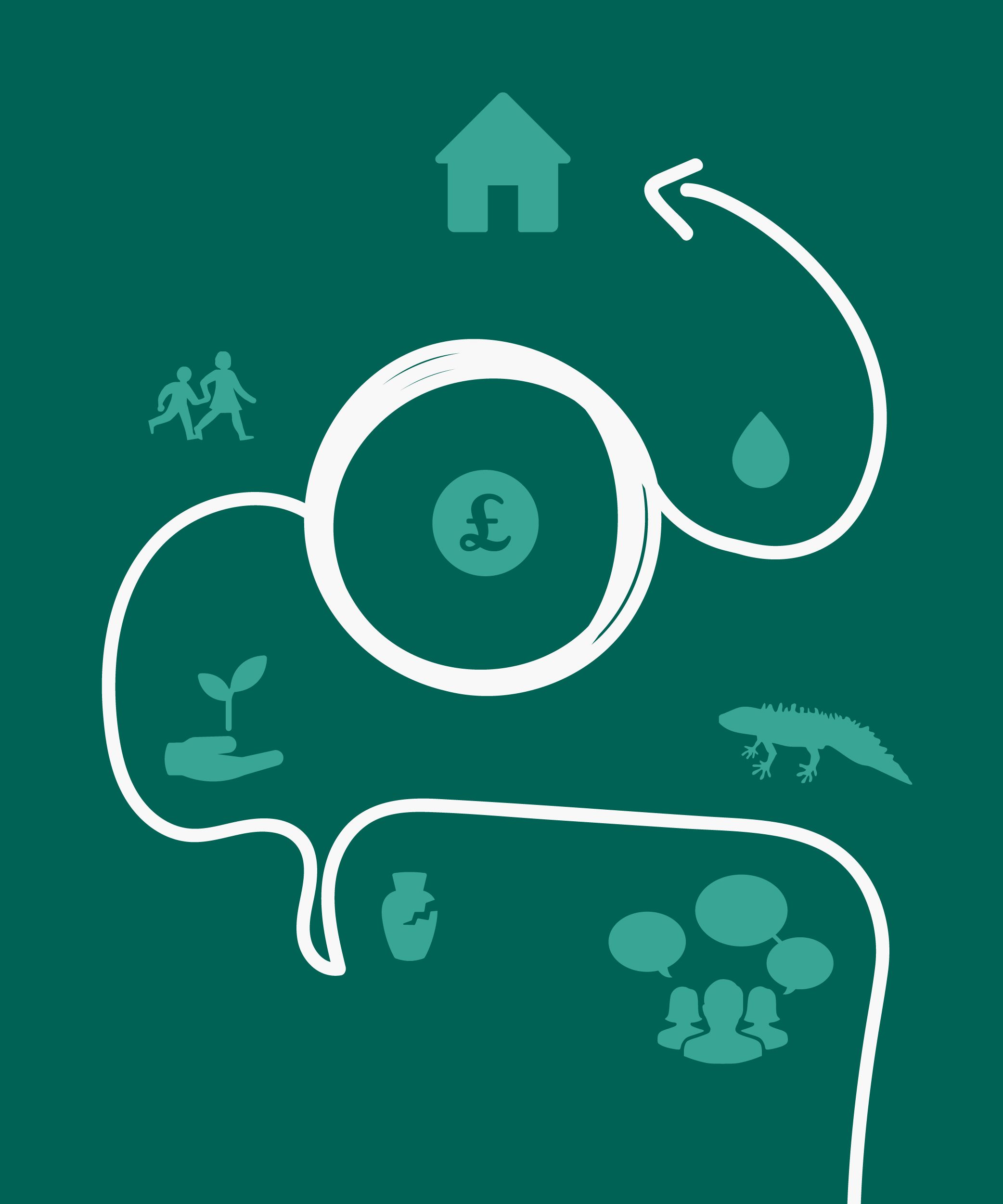


What makes a good housing development?
There are many considerations in making great places to live that are right for the community and location — which is why getting it right takes time.
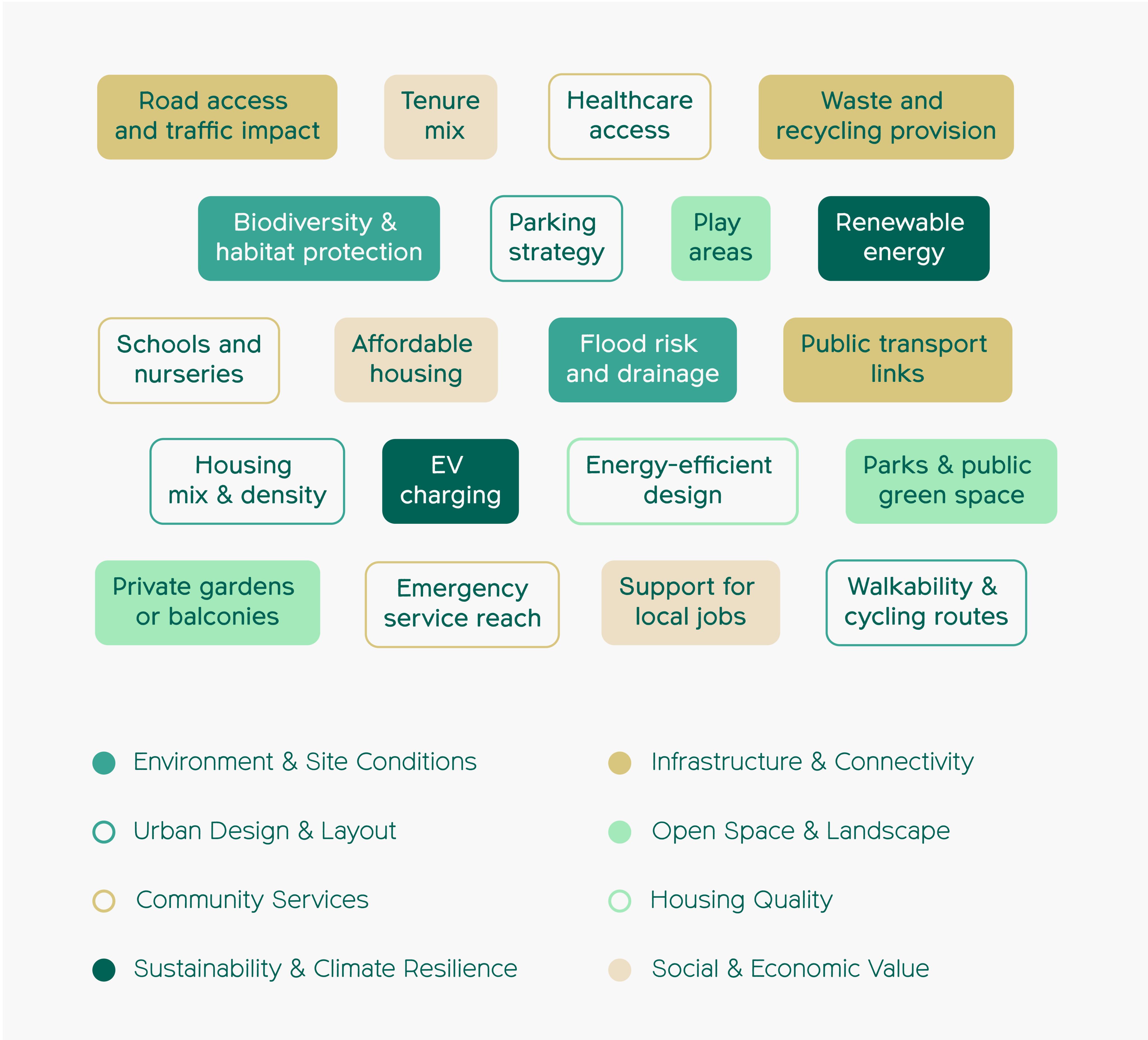
What people want
In a recent survey carried out by More in Common for CPRE, the following priorities were voted on by the public.
Who's involved
There are overlapping issues that are important to the various people involved in building new homes. The land owner, developer team, local authority planners, environmental experts, builders… Emerging issues often have knock-on effects and cause loops and detours along the way.
Who's in charge?
In the period of our case study, between 2010 and 2024, 16 different ministers were in charge of the planning system in England with an average tenure of less than a year each.
Shifting the goalposts
With a revolving door at the top, it’s not surprising that the rules for planning have also been in flux. One result of this has been a string of ‘wait and see’ periods, which can contribute to slowing down the system. Here are some major changes during this period.
Our case study
Academics at the University of Reading and Lyon CPT took an unprecedented deep dive into what happened across the whole timeline of a ‘typical’ housing development in England, from identifying the land through to residents getting their front door keys…
15
Years end to end
(2010–2024)
400
Homes (give or take a few)
in Buckinghamshire
1,034
Documents generated
(give or take a few)
3
Planning officers were involved
at different times
Stages in a typical development
While the stages are shown here in order, delivery is rarely straightforward. Overlapping tasks, regulatory requirements, and changing circumstances mean progress often moves in iterative loops — and timelines can shift as a result.


How long did each stage take?
Different people control the time things take at different stages. So there’s no silver bullet that can speed it all up, and little point blaming one element in a tangle of connected factors. Here’s what happened in our case study.
Find the land
Once the land owner decided to sell in 2010, it took seven years to reach outline planning permission for 400 homes plus open space.
Planning
Over the following eight years, until completion, many matters were discussed and decided, and amendments considered and negotiated, often in cycles.
Construction
Surprisingly for the uninitiated, at no point during construction phase — 2019 to 2024 — did the formal planning process ‘stop’.
Who owns the time?
Because stages often overlap and involve multiple parties, it isn’t always possible to attribute time neatly to one organisation or activity. Progress results from a recurring cycle of consultation, negotiation, amendments, and assessment with issues moving back and forth between people until solutions are agreed.
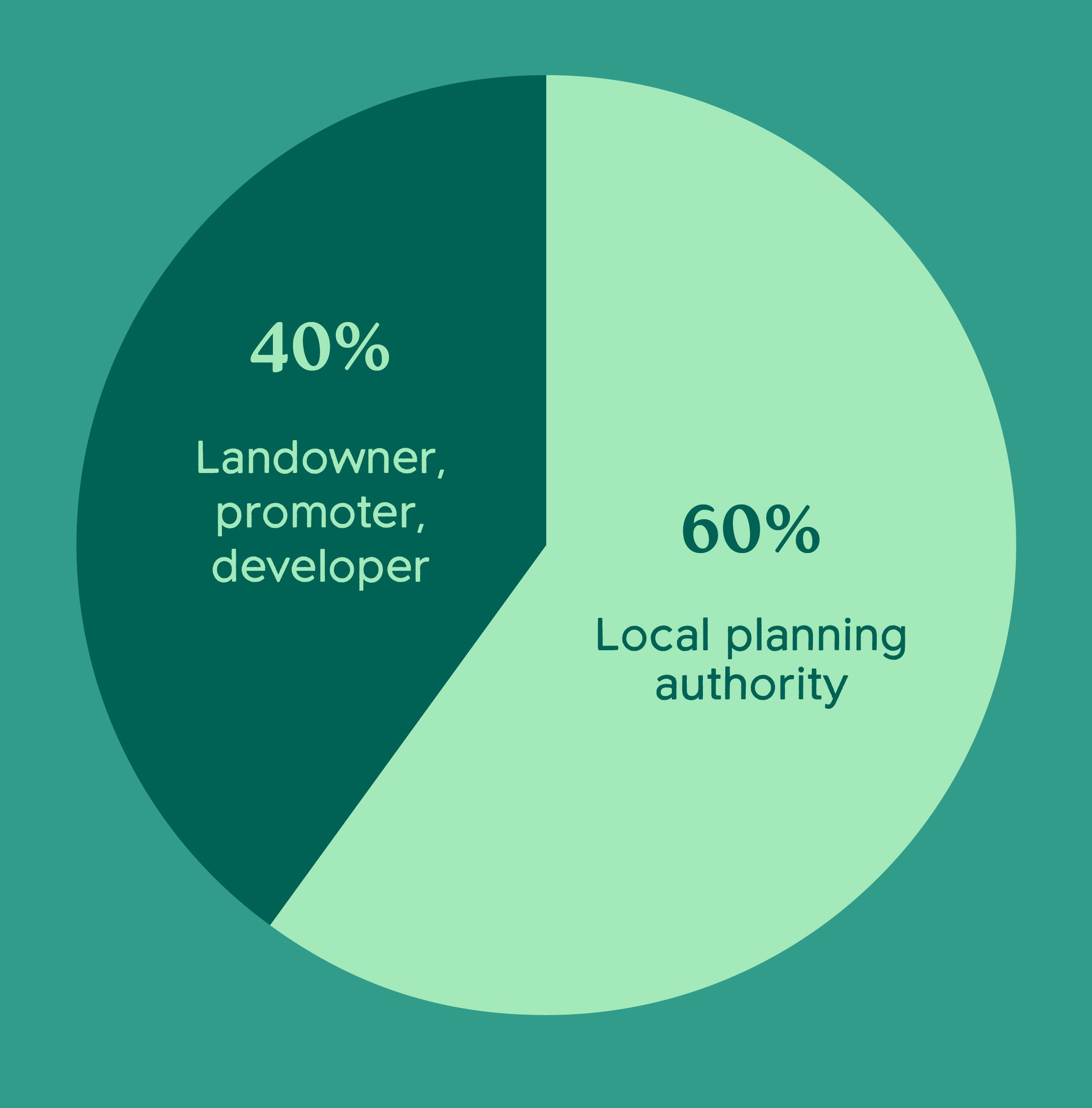
In our case study, we approximately calculated predominant ownership of the timeline.


Groundhog day
Across the planning process in our case study, 32 issues (matters) were considered by different professionals, almost all multiple times as they are often interconnected. The graphic below shows the total number of stages that each issue was considered within, or dealt with, across the full life of the development. Drainage was considered 8 times across the years, for example.
The ripple effect
Everything you need to know about drainage but were afraid to ask... Every issue in the planning process connects to several others. Pull on one thread and others follow. To show what that really looks like, we've taken one unglamorous but unavoidable issue — drainage — and mapped the full ripple effect.
Drainage sits at the heart of flood risk management.
How heavy rain flows away is critical to plans.
Drainage assessments are expected to demonstrate SuDS compliance.
Drainage assessments often cover both surface and foul water.
Drainage can directly affect highways safety. Highway authorities will object if runoff could affect the public highway.
Drainage affects receiving environments.
Drainage design can support or harm biodiversity. Well-designed SuDS often double as ecological enhancements.
Drainage assessment must consider what water passes through. Infiltration may be ruled out on contaminated sites.
Drainage matters often lead to multiple conditions.
Temporary drainage is also assessed. This matters especially for large or sloping sites.
Round the houses
Often, a developer will change the plans as time goes on and alterations cause loops in the system and in time, with affected issues revisited to account for the changes. In our case study, adding 15 extra homes during construction took a disproportionate amount of time*.
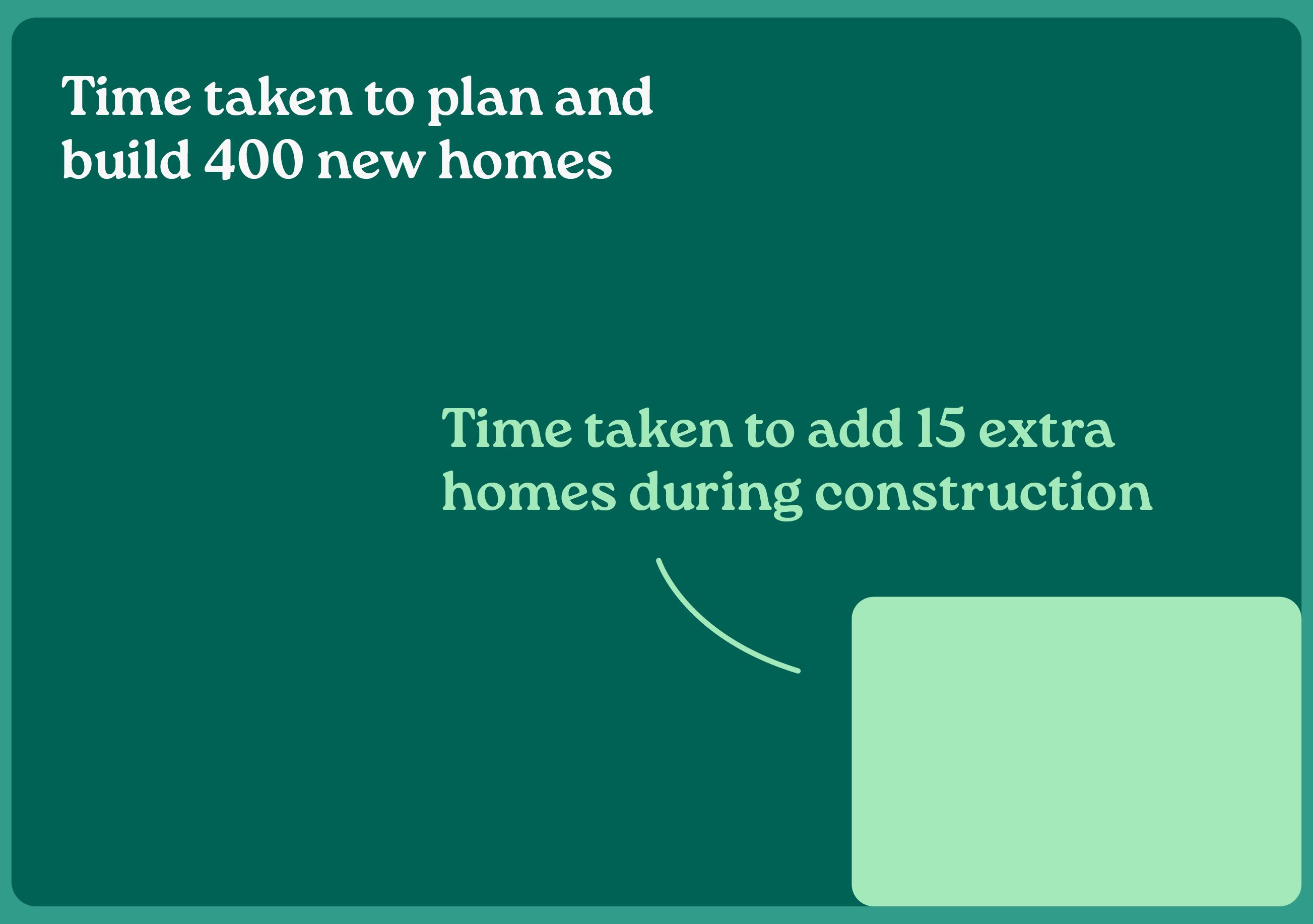
* The developer submitted 2 concurrent applications for 7 and 9 extra homes, then later knocked off 1 home. The period of time used to determine these changes was 22 months during the construction phase.


Planning under pressure
In a local planning department in England, the average number of cases dealt with each year is over 1,000. The number of planners sorting this case load varies hugely depending on location, from under 10 to over 50. Our case study was chosen to be a ‘typical’ example, so safe to say that it gives us an idea of what planners are juggling out there.
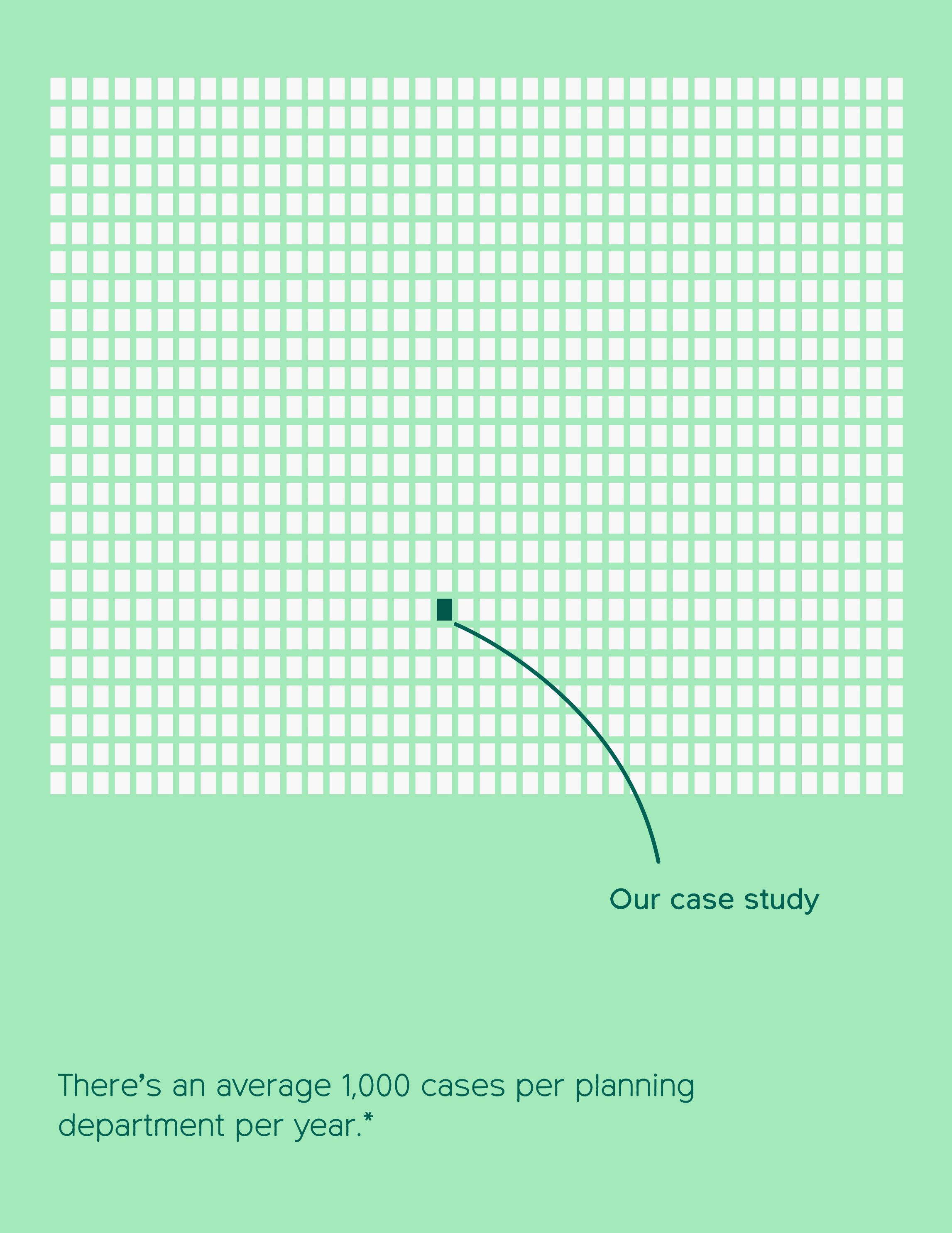
* This doesn’t include appeals, or enforcement. Nor the pre-application inquiries. Then there’s random telephone calls, and emails…
Conclusion
Building new homes involves many competing priorities — for people, for the environment, for the economy. The planning process exists to weigh all of that up, and doing it properly takes time.
Reform can help. But any reform that ignores that complexity — or looks for a single villain to blame — is unlikely to deliver the homes we actually need.
There is no silver bullet. What there is, however, is a system we don't yet fully understand. Research like this is a start. The more we can track how time is really spent — and where it's lost — the better placed we'll be to reform the system in a meaningful, impactful way.
For more information, see the full case study report including recommendations from Gavin Parker and Mark Dobson at the University of Reading and Michelle Lyon, LyonCPT: Timelining the Pipeline: housing development end to end - CPRE
 Built with Shorthand